If you have found a dark patch spreading across a basement wall in Troy or a musty smell you cannot shake in a Sterling Heights bathroom, you are probably asking the same question every homeowner asks: is this black mold, and how bad is it?
The short answer is that you cannot tell the species of a mold by looking at it, but you can absolutely tell when a mold problem is past the point of a DIY fix. This guide walks through what to look for, what the risks really are, and what to do next.
What black mold actually is
The mold most people mean when they say black mold is Stachybotrys chartarum. It grows on materials with a lot of cellulose, which in a house means drywall, ceiling tiles, wood framing, and the paper backing on insulation. It needs those materials to stay wet for days, which is why it shows up after a leak, a flood, or long-term humidity rather than a single spill.
Plenty of other molds are also dark in color. Cladosporium, Alternaria, and some Aspergillus species can all look black or dark green. From a homeowner's point of view, the distinction matters less than you would think. Any mold colony large enough to see is a moisture problem that needs fixing, and any mold growing inside wall cavities or ductwork needs professional handling regardless of species.
Signs you are looking at black mold
- Dark green or black patches that look slimy or wet, not powdery. Powdery growth is more often mildew.
- A strong earthy or musty smell that gets worse when the furnace or air conditioning runs.
- Staining on drywall or ceilings below a bathroom, a roofline, or a window that has leaked before.
- Growth that comes back within days after wiping it, which means the moisture source and the roots are still there.
- Peeling paint, bubbling wallpaper, or drywall that feels soft when you press it.
Where it hides in Michigan homes
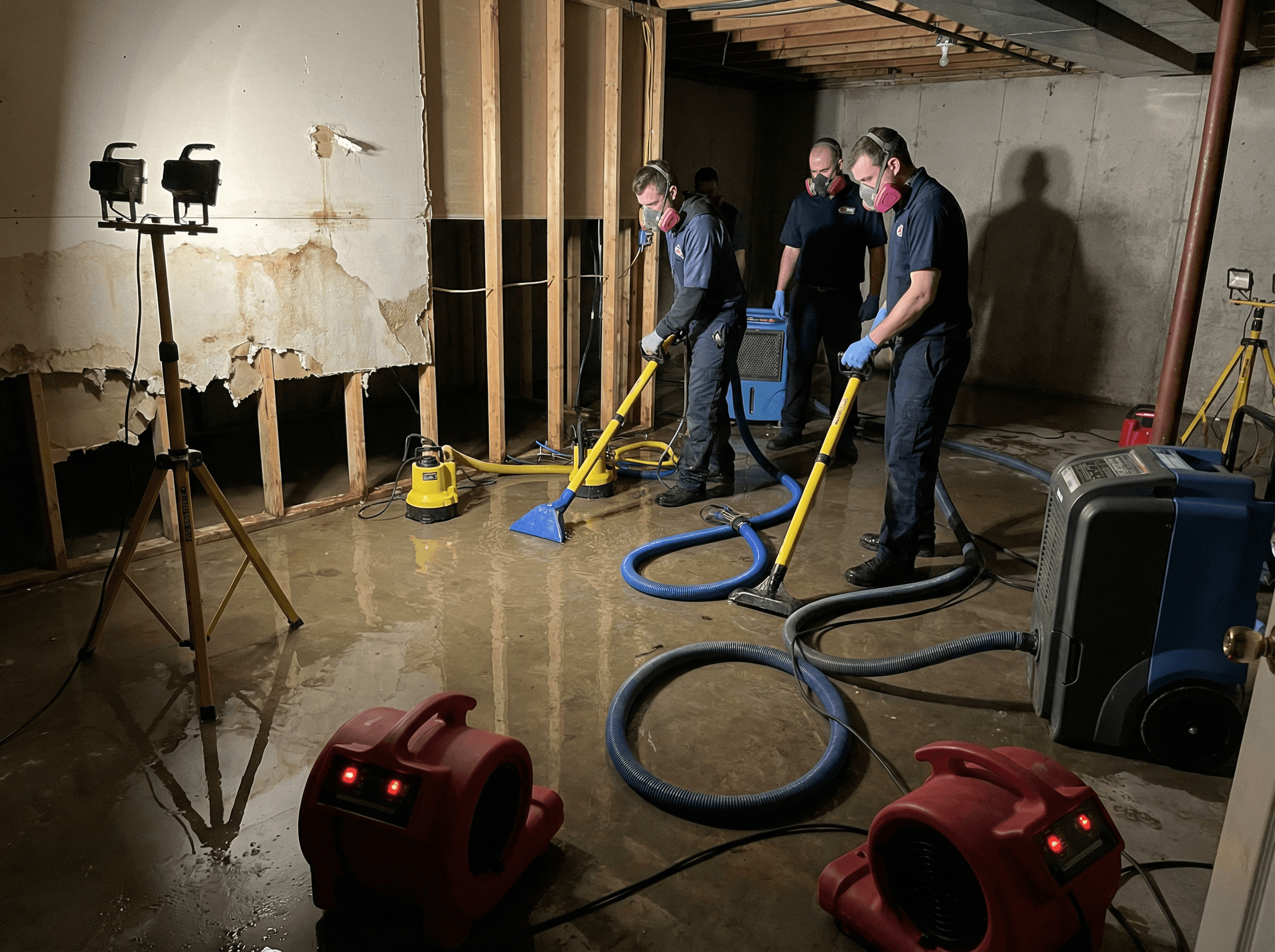
Southeast Michigan gives mold a lot of help. We get freeze and thaw cycles that crack foundations, spring rain that overwhelms sump pumps, and humid summers that keep basements damp. In our work across Oakland, Macomb, and Wayne County, the usual suspects are the same house to house.
- Attics, especially in Rochester Hills and Shelby Township homes where bathroom fans vent into the attic instead of outside.
- Finished basements in Livonia, Canton, and Warren where carpet and drywall sit directly on a slab that sweats in summer.
- Behind shower tile and under vanities in older homes in Dearborn, Grosse Pointe, and St. Clair Shores.
- Crawlspaces with dirt floors and no vapor barrier, common in older Macomb County ranches.
- Around window frames and sliding doors where condensation collects every winter.
The health risks, without the hype
Mold exposure affects people differently. For most healthy adults, the symptoms are irritating rather than dangerous: a stuffy nose, itchy eyes, coughing, and headaches that ease when you leave the house. For kids, older adults, people with asthma, and anyone with a weakened immune system, the same exposure can trigger serious respiratory problems.
The bigger risk is time. Mold that sits for months eats into the materials it grows on. A patch that would have been a two-day remediation in March can mean replacing framing by fall.
When to handle it yourself and when to call
A small spot of surface mildew on bathroom grout is a cleaning job. Anything beyond that deserves a harder look. The EPA's rule of thumb is that anything larger than about ten square feet, or anything inside a wall, ceiling, or HVAC system, should be handled by a professional.
What professional mold remediation looks like
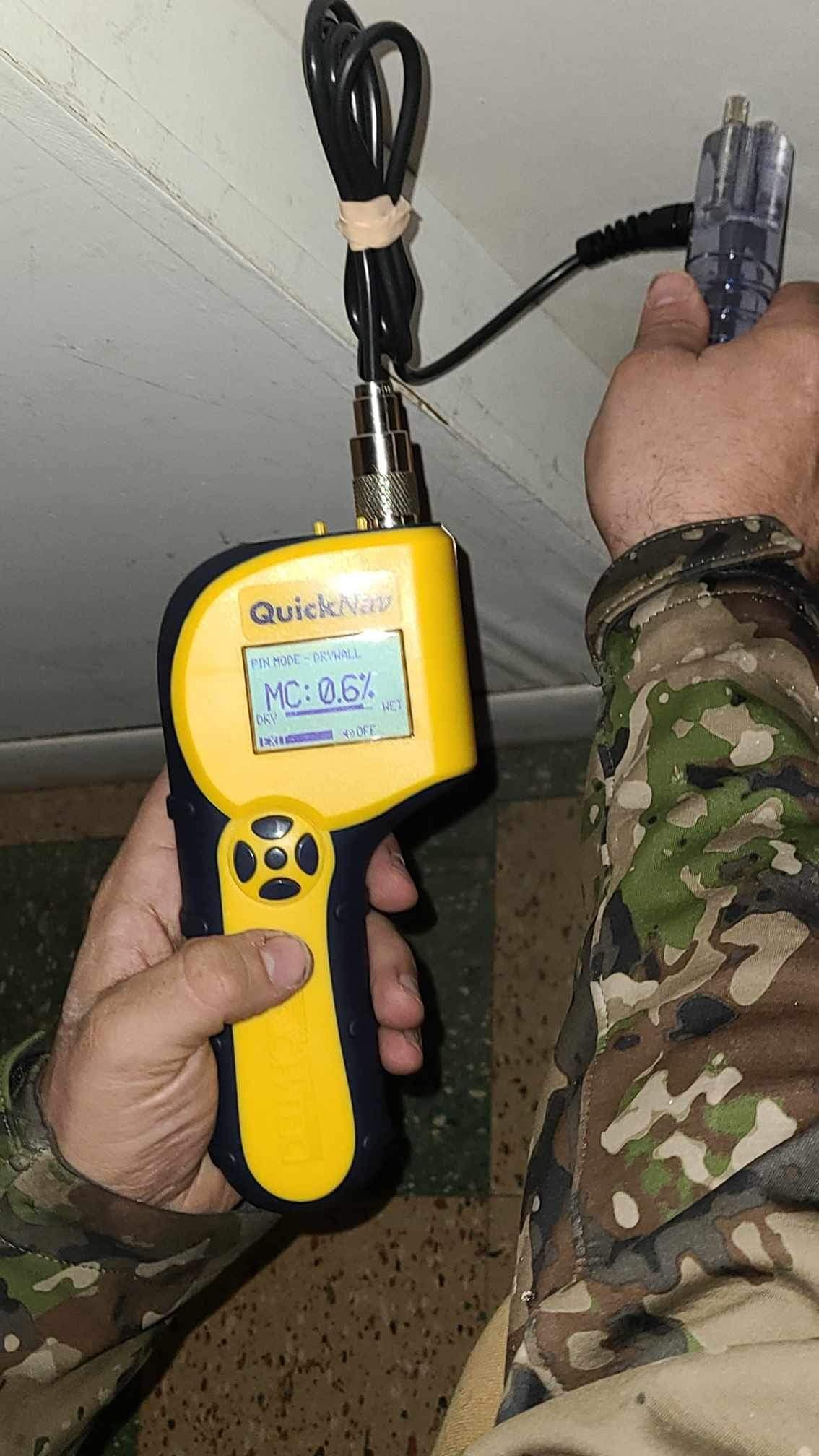
- An on-site assessment with moisture readings, so you know exactly how far the problem goes before any work starts. Micronix charges $50 for the assessment and credits it toward the job when you proceed.
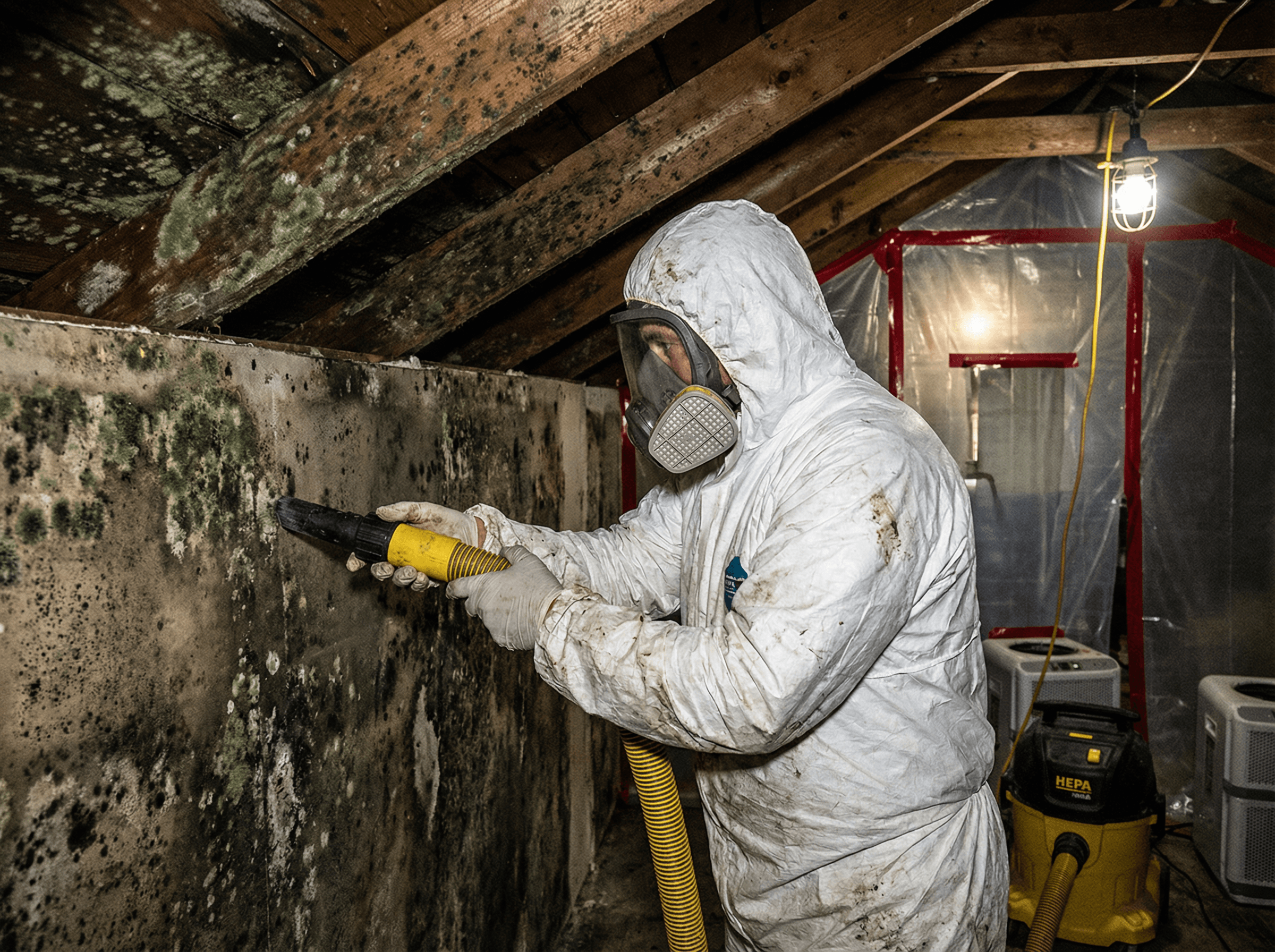
- Containment. The work area is sealed with plastic barriers and put under negative air pressure so spores do not travel.
- HEPA air scrubbing during and after the work.
- Removal of materials that cannot be saved, and treatment of the ones that can.
- Fixing the moisture source, because remediation without that is a temporary fix.
- A written report you can hand to an insurance adjuster or a home buyer.
Micronix is IICRC and NAMP certified and handles black mold removal across Southeast Michigan, from Bloomfield Hills to Clinton Township to Canton. If you are seeing the signs above, the fastest way to know where you stand is a call.
Need help with this in Southeast Michigan?
Micronix serves Oakland, Macomb, and Wayne County with same-day response. Written estimates before any work begins.